
















IPX6 vs IPX8 Fishing Reels: What Actually Matters?
A few weeks ago, we ran a submersion test on several of our favorite spinning reels. One reel didn’t pass.
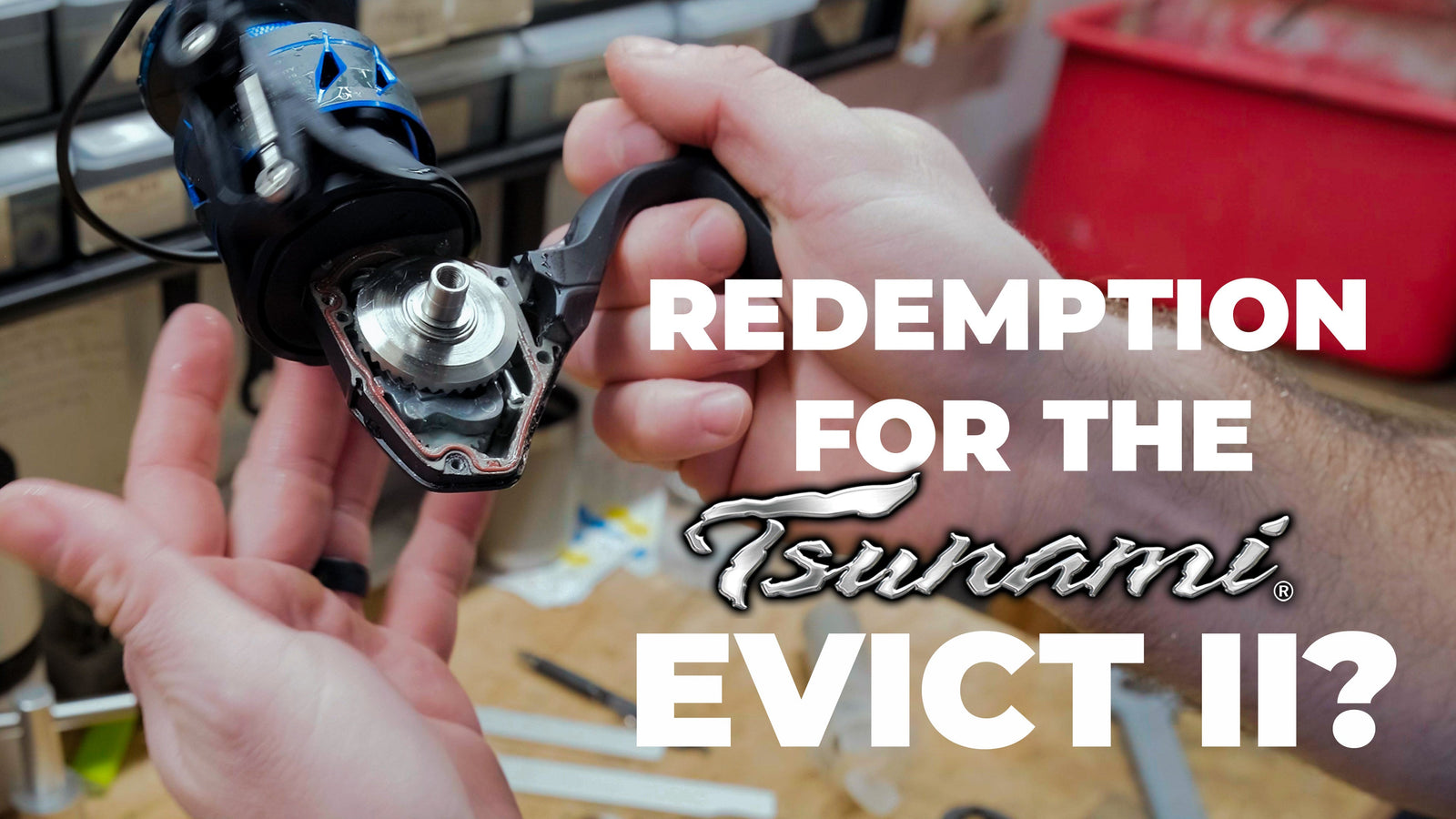
That reel was the Tsunami Evict II.
Before anyone panics, let’s be clear. We weren’t surprised.
The Tsunami Evict II is rated IPX6, not IPX8. It is not designed for full submersion. We dunked it anyway because we’ve been so impressed with its performance at its price point that we wanted to see just how far we could push it.
It failed the dunk test.
But that’s not the full story.
What Is the Difference Between IPX6 and IPX8?
When it comes to fishing reels, IP ratings define water resistance levels.
IPX6
- Designed to withstand heavy spray and powerful water jets
- Surf spray
- Boat spray
- Heavy rain
- Hosing your reel down after fishing
IPX8
- Designed for submersion
- Deep wading
- Kayak fishing
- Accidental drops in the water
The difference usually comes down to seal thickness, seal placement, seal material, and internal component protection.
Those upgrades cost money, which is why IPX8 reels typically live at a higher price point.
The Redemption Test: IPX6 Done Properly
Instead of dunking the reel again, we tested it to the actual IPX6 standard.
- Sprayed it continuously for three minutes
- Simulated heavy salt spray and hose-down conditions
- Brought it into the service room
- Opened it up to inspect for water intrusion
What we found was exactly what IPX6 is designed for.
The water stopped at the seal.
Inside the reel was a thin film of machine oil, not water. The sealed clutch bearing remained protected. The internal gearing was dry.
That’s the key.
Why This Matters for Saltwater Anglers
Most anglers are not dunking their reels intentionally.
What destroys reels is:
- Salt spray
- Boat wash
- Neglect after a trip
- Improper rinsing
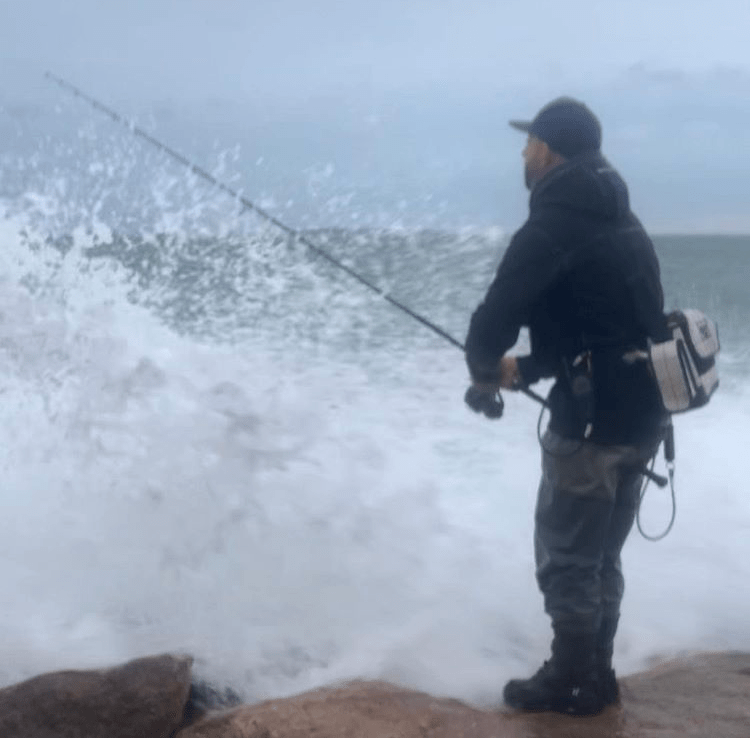
If you fish from the surf, on a boat, or wade shallow, an IPX6 reel that is properly maintained may be more than enough protection.
If you’re a kayak angler, deep wader, or someone who regularly drops gear in the drink, IPX8 becomes more important.
The right tool depends on how you fish.
Final Thoughts on Reel Sealing
The Tsunami Evict II did not pass an IPX8 dunk test. It was never supposed to.
But when tested correctly for its IPX6 rating, it held up exactly as it should.
That’s the difference between marketing hype and understanding the actual standard.
If you have questions about reel sealing, IP ratings, or want us to test a specific reel, let us know. We’re happy to tear things apart so you don’t have to.
At The Saltwater Edge, we fish the gear we sell and we test it the way real anglers actually use it.




Donal Lemay
May 27, 2026
What were the other reels that passed? I’m curious if one was a Saragossa.
Thanks
Don